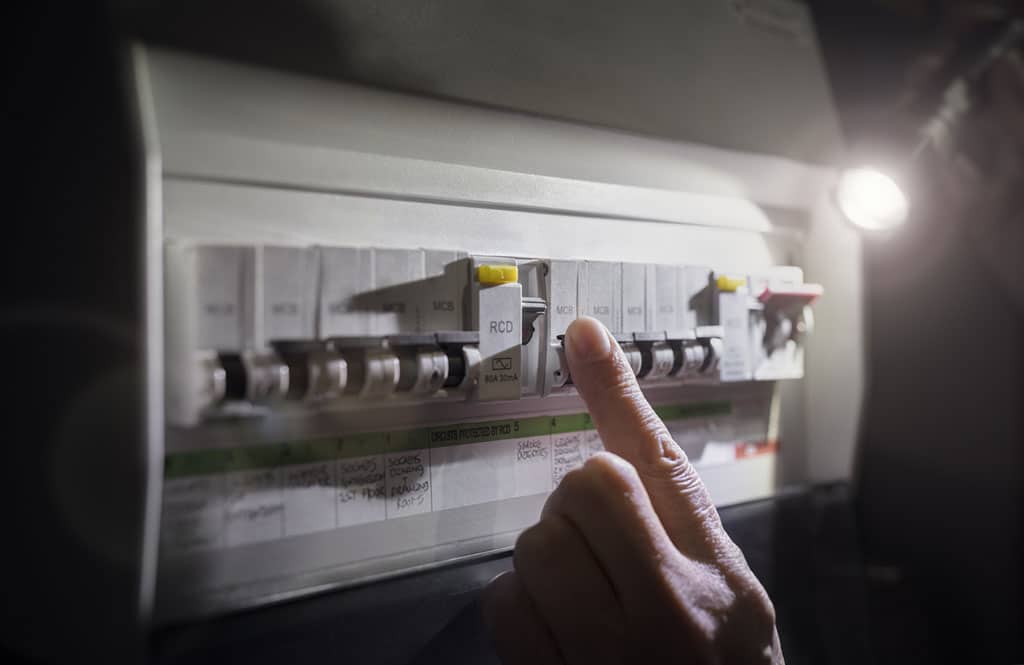
Most homeowners don’t think about their electrical system until something goes wrong. A breaker that won’t reset, an outlet that sparks, lights that flicker for no obvious reason. But by that point, you’re reacting to a problem instead of preventing one. Triple Service Inc. has been doing electrical work in Mendota and across North Central Illinois since 1950, and one thing we see consistently is that older homes carry a lot of electrical issues their owners don’t know about yet.
This guide walks you through what it actually takes to bring a home up to current Mendota electrical standards, what the process looks like, and how to prioritize what needs attention first.
First, Understand How Electrical Codes Actually Work in Illinois
Illinois doesn’t operate on a single statewide residential electrical code. Instead, local municipalities adopt versions of the National Electrical Code (NEC), which the NFPA updates every three years. What that means for Mendota homeowners is that the specific requirements can vary somewhat depending on your jurisdiction, and what was fully up to code 20 years ago may not meet today’s standards.
Here’s the practical takeaway: you’re not legally required to bring every inch of your home up to current code just because the NEC was updated. Existing wiring is typically grandfathered in. But if you’re doing new work, adding circuits, or making significant repairs, that new work has to meet current code. And if older wiring is genuinely unsafe, you’re required to address it regardless of when it was installed.
When in doubt, a licensed electrician familiar with local requirements in LaSalle County is your best resource for knowing exactly what applies to your home.
Start with a Whole-Home Electrical Assessment
Before anything else, you need a clear picture of where things stand. A thorough electrical inspection covers your service panel, branch circuit wiring, outlets, switches, grounding, and any visible signs of deterioration or outdated components.
This is especially important in Mendota homes built before the 1970s. The inspection tells you what’s actually wrong versus what just looks old, and it gives you a prioritized list of what to address first based on safety risk. Our electrical services team performs these assessments regularly, and the findings often surprise homeowners who assumed everything was fine.
Panel Upgrades: The Foundation of Everything Else
If your home still has a 60- or 100-amp panel, that’s the place to start. Modern homes routinely need 200 amps to handle HVAC systems, major appliances, EV chargers, and home office equipment. An undersized panel isn’t just inconvenient; it’s a genuine fire hazard when circuits are consistently pushed past their limits.
Panel replacement in Mendota is also the kind of work that requires a permit and a licensed electrician in Illinois. The permit process involves pulling the permit before work begins, a rough-in inspection before wiring is covered, and a final inspection once the job is complete. A reputable electrician handles all of this. If someone quotes you panel work and doesn’t mention permits, that’s a red flag.
Circuit breaker panel upgrades are one of the most impactful investments you can make in an older home, both for safety and for your home’s resale value.
Wiring Updates: What Needs to Change and What Doesn’t
Knob-and-tube wiring from the early 1900s and aluminum branch wiring from the 1960s and 70s are the two most common wiring issues we find in Mendota’s older housing stock. Neither automatically requires a full rewire of the house, but both need to be assessed carefully.
Knob-and-tube has no ground wire, and its insulation degrades significantly over time. It also can’t be safely covered with insulation. If you’ve had attic or wall insulation added since the home was built, and you still have K&T wiring in those areas, that needs attention.
Aluminum branch wiring requires compatible devices and regular inspection of connections, which loosen over time. In some cases, full replacement is the right call. In others, installing CO/ALR-rated outlets and switches and checking connection points is sufficient.
The key is not assuming. An electrical installation or repair assessment can tell you exactly what you’re dealing with before you commit to a scope of work.
GFCI and AFCI Protection: Non-Negotiable in Wet and High-Risk Areas
Ground fault circuit interrupters (GFCIs) are required in bathrooms, kitchens, garages, basements, and exterior outlets. Arc fault circuit interrupters (AFCIs) are required in bedrooms and living areas under current code. Most homes built before the 1990s are missing these in multiple locations.
Upgrading outlets and switches to include GFCI protection where required is one of the more straightforward updates and one of the most important. GFCIs can prevent electrocution. AFCIs detect the kind of arcing faults in wiring that start house fires. These aren’t nice-to-haves.
Lighting Fixtures and Surge Protection
Two updates that often get overlooked: older wiring is rated for 60°C, while modern light fixtures require 90°C-rated wiring connections. If your home has original wiring and newer fixtures have been added over the years, it’s worth having those connections inspected.
And under the 2021 International Residential Code, which Illinois municipalities are in the process of adopting, whole-home surge protection in Mendota is now required at the service panel for new residential construction. For existing homes, it’s still one of the smartest upgrades you can make, protecting your appliances and electronics from voltage spikes caused by lightning, utility grid fluctuations, and heavy equipment cycling on and off.
How to Prioritize When You Can’t Do Everything at Once
Not every homeowner can tackle everything in one project, and that’s fine. Here’s a reasonable order of priority:
- Panel upgrade if you’re running 60 or 100 amps
- Address any known knob-and-tube or aluminum wiring issues
- GFCI protection in all required locations
- AFCI breakers in bedrooms and living areas
- Grounded outlets throughout the home
- Surge protection at the panel
- Lighting connections assessed
Start with whatever poses the highest safety risk. An electrician can help you triage based on what they find during inspection.
Ready to Get Started?
If you own an older home in the Mendota area and you’re not sure what shape your electrical system is in, the best first step is a professional assessment. The team at Triple Service Inc. can walk through your home, identify what needs attention, and give you a straight answer about what’s urgent and what can wait.
Need Help?
At Triple Service, we do the job right the first time, offering lasting Mendota HVAC, plumbing and electrical solutions for your home.
Book OnlineBook OnlineServing Families in the Greater Mendota Area
 All Service Areas