

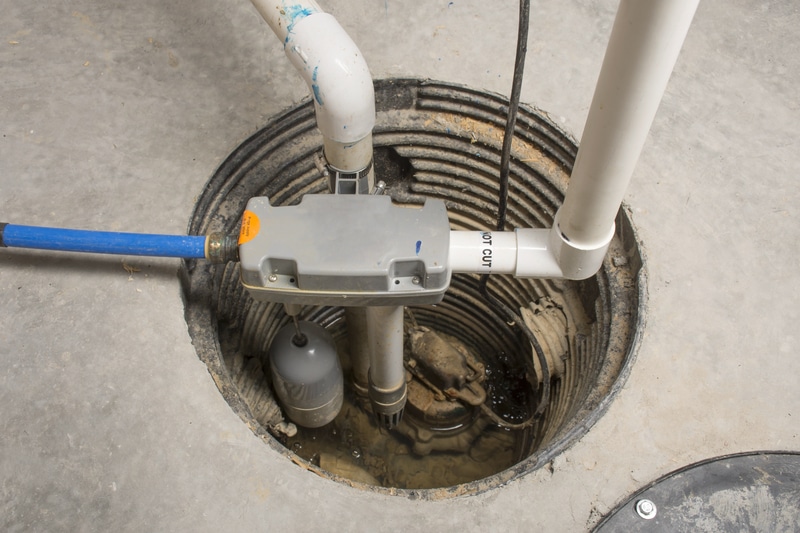
Sump pumps in Mendota don’t usually fail dramatically. They fail quietly, over time, and often at the worst possible moment: during a heavy spring storm when they’re needed most.
The good news is that most failing pumps give you warning signs beforehand. Triple Service Inc. has responded to plenty of flooded basements in Mendota and the surrounding area, and in a lot of those cases, there were signals the homeowner either didn’t notice or didn’t realize were worth paying attention to.
Here are seven things worth checking before the rainy season arrives.
1. It’s Running Constantly and Won’t Shut Off
A sump pump cycles on when water in the pit reaches a certain level and shuts off when it’s pumped down. If yours is running almost continuously, even during dry weather, something is off.
It could be a stuck float switch that’s keeping the pump on past the point it should shut off. It could be groundwater infiltrating faster than the pump can handle, which points to a drainage issue. Or it could mean the pump is undersized for your basement’s needs. Continuous running burns out motors, and if this is happening, it’s worth getting checked.
2. It’s Making Unusual Noises
A healthy sump pump makes a consistent low hum when it’s running. Grinding, rattling, clanking, or a motor that sounds like it’s struggling to turn are different. These usually indicate worn bearings, a damaged impeller, or debris caught in the system.
Some noise issues are fixable. Others mean the pump is near the end of its life. Either way, it’s not a sound to ignore.
3. It’s Vibrating More Than Usual
Excessive vibration often means something is off inside the pump. Impellers, the internal components that move the water, can become bent or worn, especially if debris has been pulled through the system. A damaged impeller reduces pumping efficiency and accelerates wear on the motor.
4. The Pump Is Short-Cycling
Short-cycling is when the pump starts and stops rapidly in quick succession instead of running through a full cycle. It usually points to a problem with the float switch. If the switch is positioned too close to the pump intake, it activates and deactivates without ever fully pumping down the pit.
Short-cycling stresses the motor and can significantly shorten the pump’s lifespan. Float switch adjustment is often a straightforward fix, but it requires someone to look at how the system is set up.
5. There’s Visible Rust or Corrosion
Some surface rust on older metal components isn’t always cause for alarm, but significant corrosion on the pump housing, discharge pipe fittings, or the pit liner is worth paying attention to. Rust can affect how well the pump seals, how freely the float moves, and how reliably the electrical connections hold.
Check the Mendota electrical connections to the pump as well. Corrosion there is both a reliability issue and a safety concern.
6. The Pump Runs But Water Stays in the Pit
If you can hear the pump running but the water level in the pit isn’t dropping, the pump isn’t doing its job. This usually means one of three things: the impeller is damaged and not generating adequate flow, the discharge line is blocked or frozen, or the pump has lost enough capacity that it can’t keep up with inflow.
Pour a bucket of water into the pit and watch what happens. The float should trigger the pump, and the water level should drop fairly quickly. If it doesn’t, something is wrong with either the pump or the discharge path.
7. It’s More Than 7 to 10 Years Old
Most residential sump pumps have a working lifespan in that range, longer with regular maintenance and shorter with heavy use or poor electrical conditions. If you’re not sure how old yours is, check the label on the unit itself or look up the home’s service history.
An aging pump that seems to be working fine right now may not be reliable when it’s dealing with peak spring volume. For older units, a plumbing inspection in Mendota can tell you whether you’re working with a system that has some years left or one that’s living on borrowed time.
Don’t Forget the Electrical Setup
While you’re checking the pump itself, take a look at the outlet and wiring situation. Sump pumps should be on a dedicated circuit with proper grounding. Surge protection in Mendota is worth having: voltage spikes during storms can damage pump motors even when the pump itself is otherwise in good shape. And if you don’t have a battery backup, spring in northern Illinois is a good reason to consider adding one.
When to Call
If any of these signs sound familiar, don’t wait for the next heavy rain to find out whether your pump is going to hold up. Early spring is the right time to have it looked at, before the ground is saturated and the forecast is calling for three days of rain.
Contact Triple Service Inc. to schedule a sump pump inspection or service call. A little preventive attention now is a lot easier than a flooded basement later.
Need Help?
At Triple Service, we do the job right the first time, offering lasting Mendota HVAC, plumbing and electrical solutions for your home.
Book Online Book OnlineServing Families in the Greater Mendota Area
 All Service Areas